The Topic
Addressing the Challenges of Adolescent Pregnancy: A Call for Awareness and Comprehensive Support
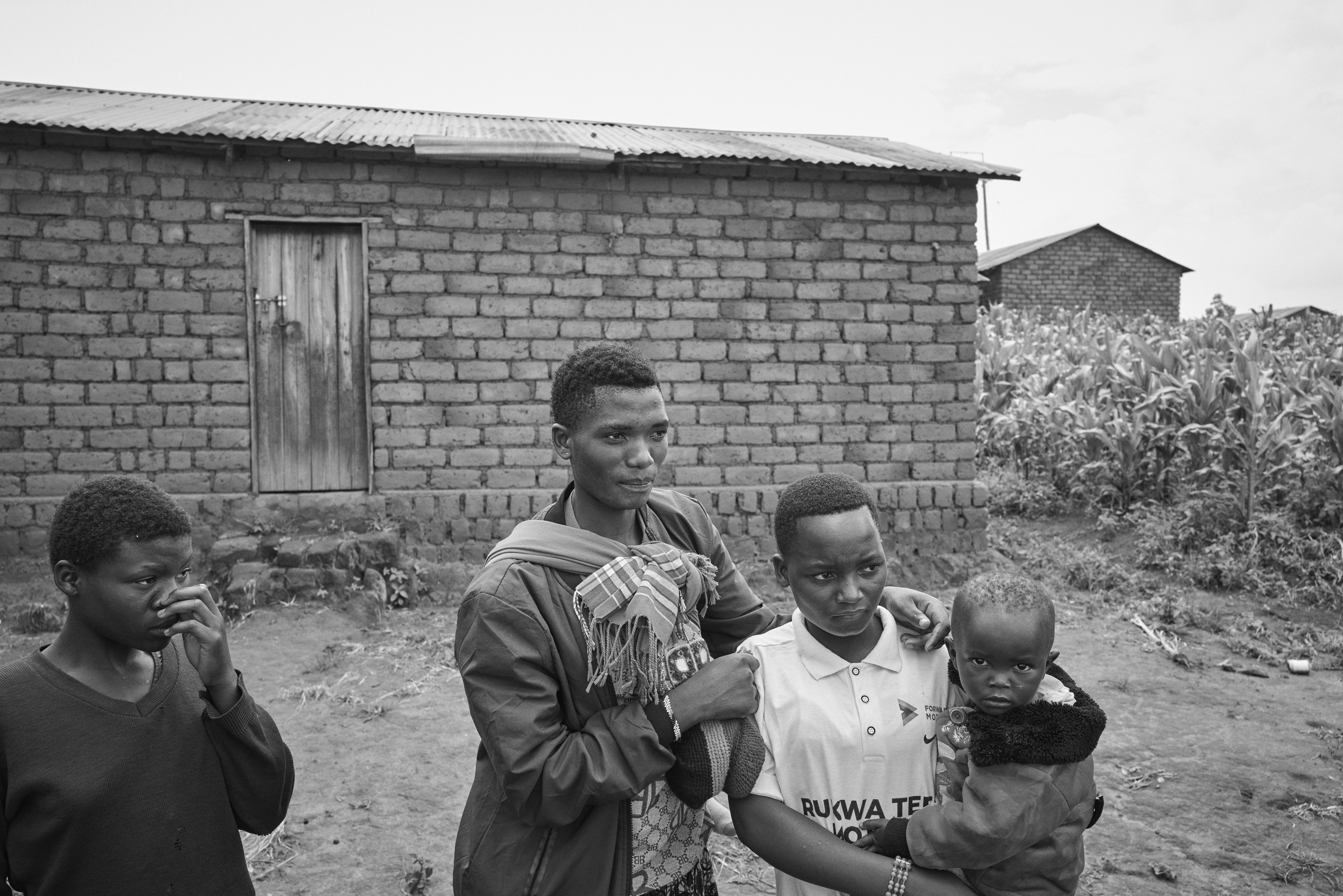
Adolescent pregnancy presents significant challenges to the health, well-being, and future prospects of young girls. Raising awareness of the risks associated with early pregnancy – including school dropout, social stigma (shaming and ostracism), and loneliness – is paramount. This requires a multifaceted approach tailored to specific contexts.
Access to comprehensive information and support services is crucial for adolescent girls facing unplanned pregnancies. This includes:
- Awareness campaigns: Targeted public awareness campaigns should educate adolescent girls and their communities about the risks of early pregnancy, available prevention methods (including comprehensive sexuality education), and support services. These campaigns must be culturally sensitive and age-appropriate.
- Access to healthcare: Ensuring access to quality sexual and reproductive health services, including pre- and post-natal care, family planning, and safe abortion services where legally permitted, is vital. These services should be provided in a confidential and non-judgmental environment. Mental health issues such as depression and anxiety should also be addressed.
- Social support networks: Strengthening social support networks for pregnant adolescents and new mothers is critical. This includes providing access to counseling, mentoring programs, and community-based support groups that address the social and emotional challenges associated with adolescent motherhood.
- Educational opportunities: Supporting adolescents’ continued education is essential to their long-term well-being and empowerment. This may involve providing access to alternative education programs, scholarships, and childcare services.
- Legal protection: Adolescent girls need legal protection against discrimination and violence. Laws and policies should protect their rights to health, education, and equality.
Context-Specific Considerations:
The specific challenges and solutions related to adolescent pregnancy vary significantly depending on the geographical and socio-cultural context. In high-income countries like Switzerland, the focus might be on providing comprehensive sex education, access to contraception, and support services for unplanned pregnancies. In low-income countries like Tanzania, addressing issues of poverty, limited access to healthcare, and harmful traditional practices may be paramount. Programmes must be adapted accordingly to be effective.
 On Board Together